
The call is shorter than people expect
Most folks brace for a long conversation and get something closer to a minute. A voice picks up, asks a handful of plain questions, and then tells you a truck is moving. It can feel abrupt when you are rattled and standing next to a vehicle that quit on you. It is not abruptness. Every one of those questions is doing a job, and the answers you give in that minute decide which unit pulls out of the yard, which way it comes at you, and whether anybody has to make a second trip. Twenty-eight years of Brevard County calls have sanded that conversation down to only the parts that change something.
Why “what are you driving” is the first question
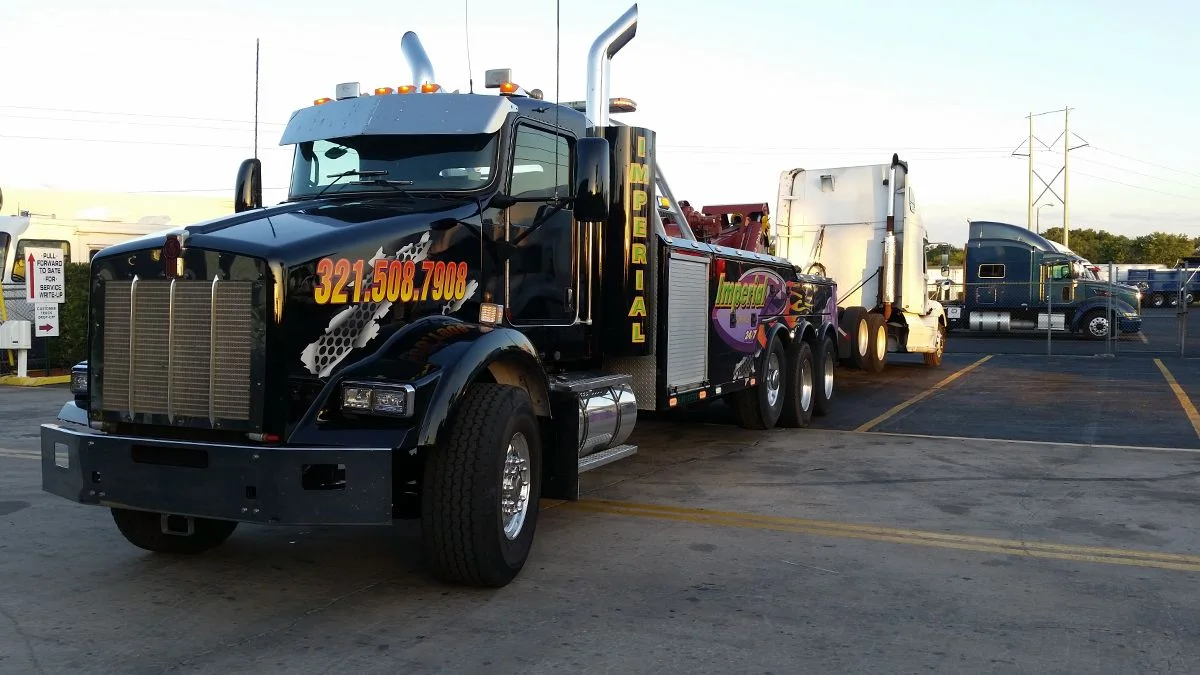
It sounds like small talk. It is the single largest fork in the road. A sedan, a lifted pickup, a work van with shelving bolted in the back, a bike, a motorhome and a loaded tractor-trailer are six different jobs requiring six different pieces of equipment, and the fleet here covers all of them precisely so nobody has to be turned away. But the fleet only helps if the right piece leaves the yard the first time.
The failure this prevents is the expensive one. An undersized unit that arrives, looks at the situation, and has to call for something bigger has cost you the entire first trip plus the entire second wait, and it has cost it in the middle of your worst afternoon. So the dispatcher wants the make, roughly, and the shape of the thing. If it is modified, say so. Lowered, lifted, extended, loaded, carrying a rack or a hitch. A vehicle that sits two inches off the ground needs a different approach onto a deck than a stock one, and that is a five second sentence on the phone versus a twenty minute problem in your street.
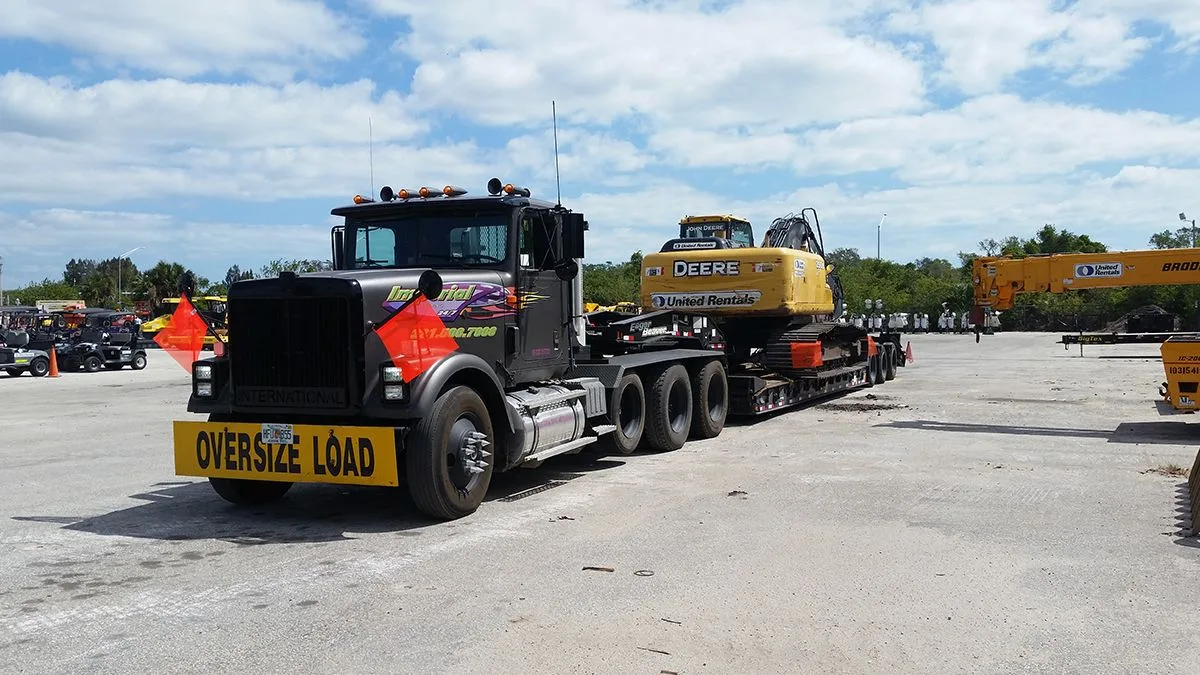
Weight matters more than people think for anything past a pickup. If you are sitting in something commercial and you know the number, give it. If you do not, describe it: how many axles, whether it is loaded, what it is carrying. Nobody expects you to have paperwork in hand while standing on a shoulder. Ballpark honesty beats precision you invented.
Why “does it still roll” is a separate question
People tend to answer this one with whether the engine runs, which is a different thing entirely. What the dispatcher actually needs to know is whether the vehicle is still a rolling object. Do the wheels turn freely, does the steering respond, will it come out of park, are the brakes releasing. A car with a dead engine that still rolls and steers loads one way. A car with a seized wheel, a locked column or a shredded tire loads another, usually with a winch and considerably more time on scene.
The same question separates a breakdown from something heavier. After a hit, the normal attachment points may be gone and the underside may not be where it used to be, and knowing that in advance means the operator arrives with a plan rather than assembling one on your shoulder. It also determines how much room the driver needs, which loops back to where you are and what is around you.
If you are not sure, it is fine to say you are not sure. What is not fine is guessing yes because it feels like the helpful answer. An operator who was told a vehicle rolls and finds one that does not is now short on equipment and long on daylight, and you are the one waiting through it.
Location is not the same as an address
This is where the most time gets lost, and it is the easiest one to fix. A street name covers a lot of ground. On a barrier island where roads run parallel and much of the traffic comes over water, which side of a road you sit on genuinely changes the approach, because a driver who ends up on the wrong side of a divided stretch cannot simply hop across. Give the cross street. Give the business behind you. Give the color of the building, the name on the awning, the lot you pulled into.
Then answer the question people never volunteer: how does a truck get in and back out. A driveway with one entrance, a lot with a chain across the rear, a residential block where the only turnaround is at the far end. Our operators run these roads every week and carry most of that in their heads, which is exactly why the detail is worth giving. It confirms what they already suspect and it saves the lap around a block that only lets you in from one direction. Local knowledge shaves real minutes off arrival, and your description is the thing that lets that knowledge work.
If you are somewhere a truck plainly cannot fit, say so early. Knowing that at minute one is planning. Discovering it at minute twenty is a problem.
The two questions that change the order of the queue
Two more answers move you around in the day. The first is whether you are exposed. Sitting in a wide lit lot is uncomfortable. Sitting across a travel lane, on a bridge approach, or on a stretch with no shoulder is a hazard to you and to everybody coming up behind you, and that gets treated differently. Describe your position honestly. Understating it does not make you polite; it puts you further down a list you should be higher on.
The second is who is with you. A child in the back, somebody on medication, an elderly passenger, a dog in a hot car, nobody at all and it is late. Say it. Dispatch runs 24 hours a day, every day of the year, and part of what that around-the-clock coverage buys is the ability to sequence a night properly instead of working strictly in the order the phone rang.
The last thing settled on that call is money, and it gets settled before anything moves. You will hear a straight, no-surprise price on your tow based on what you drive and how far it is going, so nothing new appears once the vehicle is already loaded. A large share of the calls taken here come from people who have called before, and that only happens when the number said at the start is the number at the end.
What to do with the minutes after you hang up
Flashers on and stay on. Get yourself somewhere sensible, which on a busy stretch means off the pavement and away from the traffic side of your own vehicle. Gather what you cannot leave overnight: wallet, phone, keys, medication, whatever is in the trunk that matters. Decide where the vehicle is going if you have not already, because that is the one question that will come up again and it is easier to answer sitting still than standing beside a running truck.
Then keep the phone free. Not busy, not on a long call to somebody who cannot help. The operator heading toward you may need thirty seconds of clarification as he closes in, and that thirty seconds is worth more than any other call you could be making.
Questions people ask about the call itself
What if I genuinely do not know where I am?
Say that out loud rather than inventing a guess. Read us whatever is painted on a sign, a storefront, a delivery entrance, a lot number. Between that and the roads our operators cover weekly, somebody on this end usually recognizes the spot from two details. A wrong location confidently given is far more expensive than an honest one.
Does it help to call twice if nothing has changed?
A check-in is welcome and we will tell you where the driver is. What helps more is calling when something has actually changed: you got pushed into a lot, an officer arrived, the car started, somebody gave you a ride. Those updates change the run. Keep the line free otherwise, because the operator may need to reach you as he closes in.
Do I need to know what is wrong with the vehicle?
No. Describe what happened rather than diagnosing it. What you heard, what the dash did, whether it coasted or stopped hard, whether it rolls now. Those plain observations tell a dispatcher who has handled Brevard County calls for years more than a guess at a part name, and nobody will make you feel foolish for not knowing.
The short version
What you drive, whether it rolls, exactly where it sits, how a truck gets in, how exposed you are, and who is with you. Six answers, most of them one sentence. Stopped somewhere in Cocoa Beach right now? Call (321) 499-4610 and a real person picks up, or use emergency towing on the island for the details of what happens next. If it turns out to be a battery, a tire or keys on the seat, roadside help is usually the faster fix, and anything past a pickup runs through heavy-duty towing and recovery. You can also reach us here.