
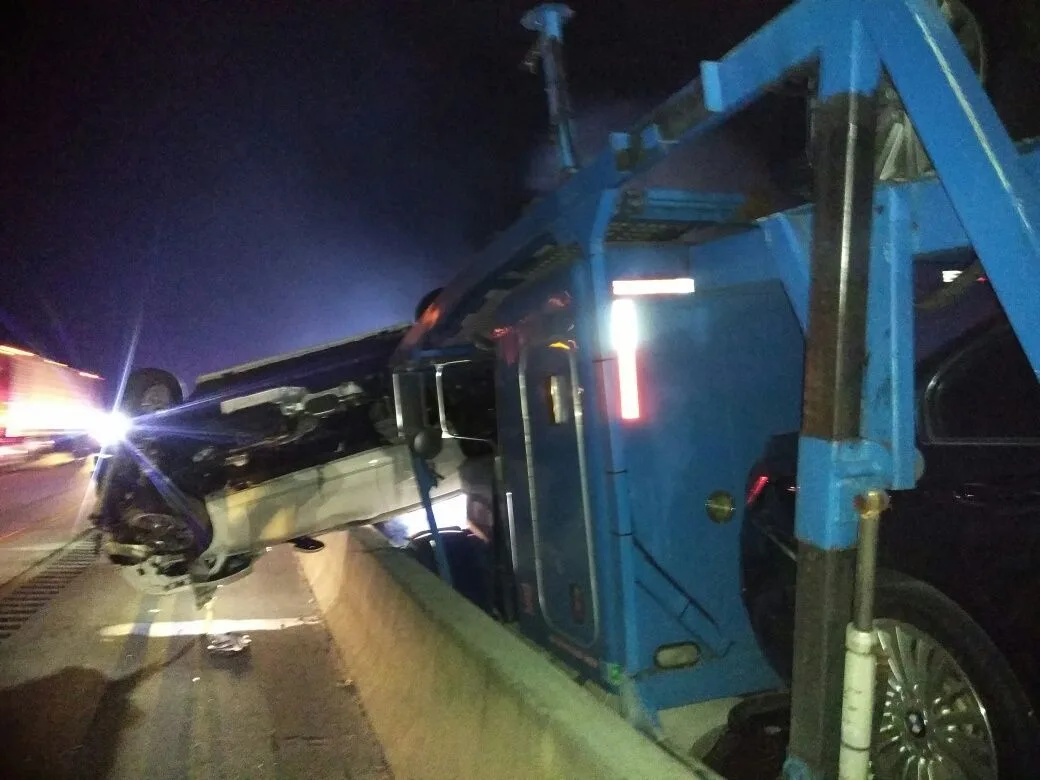
Blocking The Road In Indialantic?
Stalled at the causeway landing, stuck on a one-lane beachside street, or sitting in water on Fifth Ave. Call once and a certified Imperial operator is on the way across the bridge.
Beachside urgent response
A Small Town Where One Stopped Car Stops Everything.
Indialantic is compact, and that is exactly what makes a breakdown here urgent. There is no wide margin to coast into. Most of the beachside streets are one lane in practice, cars parked nose to tail on both sides, and a vehicle that quits in the middle of one of them has shut down the whole block. The other pressure point is the east landing of the Melbourne Causeway, where traffic comes down off the bridge carrying speed into a short sight line. Those two situations are most of what Imperial Towing gets called for in this town, and they need different responses.
Whatever the case, the flashers go on first. They still work on a dead engine and they are the cheapest safety you have. Then it comes down to one question: can this car still roll.
Coming off the causeway
If you are on the slope or just past it, keep moving if there is any life left in the car. Momentum off a bridge is worth a lot, and a hundred feet of coast can put you past the light and into a lot instead of in front of the traffic behind you. If the car is truly dead in a live lane there, that is a 911 call. Tell them a disabled vehicle is at the east end of the Melbourne Causeway and give the direction you were traveling. Then reach us at (321) 499-4610 and we start rolling while law enforcement gets traffic controlled.
On whether to get out: with the vehicle in a live lane and no safe place to stand nearby, staying belted inside with the hazards running is often the better choice until help arrives. If you do have somewhere real to go, a sidewalk, a lot, behind a barrier, then everyone exits on the side away from traffic and moves well back from the car. Never in front of it. If anyone is injured, that is 911 before anything else.
Narrow streets and cars parked both sides
The residential blocks are a different problem. Nobody is going to hit you at fifty here. What happens instead is that you are stuck, you are blocking a neighbor, and the temptation is to get four people to push the car somewhere. Do not. On a street that narrow there is usually nowhere better to push it to, and hand-pushing a car between parked vehicles is how somebody ends up with a crushed foot. Leave it. Get out on the sidewalk. Call us and tell dispatch the street is effectively one lane with parking on both sides, because that determines which truck we send and how the operator sets up.
Working these blocks takes a bit of finesse. There is often only one angle that lets a truck get a car out without touching a parked bumper or a mailbox, and finding it is the job. Twenty eight years in Brevard means our operators have hooked cars out of half these streets before.
What dispatch needs from you
A real person answers and the questions come fast on purpose. What are you driving. Where exactly, which here means the cross street, the storefront you are next to, or how far past the bridge you got. Do the wheels roll and does it still steer. Is anyone hurt, and is the car in a live lane. That is enough to pick the truck and set the priority.
If you are visiting and do not know street names, do not worry about it. Describe what you see. Which side the ocean is on, the name on the nearest sign, whether you can see the boardwalk from where you stand. Our operators know this town well enough to place you from that, and it is faster than fighting to send a pin on a weak signal.
Summer storms and the low spots
Afternoon storms here build fast and dump hard. The drains do a decent job right up until they do not, and then the low sections of the beachside streets and the approaches near the river hold water within minutes. Two things matter. First, do not drive into standing water when you cannot see the pavement under it. Second, if you already have and the car quit, stop cranking it. Every restart attempt after water reaches the intake makes the repair bigger. Get out and get to higher ground on foot if the water is not moving and it is safe to walk. Then call, tell us how deep it looked against the wheels, and we bring what it takes to lift it rather than drag it.
What the operator does on arrival
- Lights and position first: the scene gets lit and the truck placed between you and traffic before anything gets hooked.
- A certified operator: trained, insured, and badged for Patrick SFB and Kennedy Space Center access.
- A straight number: the price on your tow said out loud before we roll, not handed to you afterward.
- Tight-space experience: cars pulled off narrow streets without clipping a parked bumper.
- A live voice, always: any hour, holidays and storm nights included.
Not every call is an emergency
Some of these end quietly. The car is parked safely, nobody is at risk, and it just needs a lift to a shop, which is what our Indialantic light towing and flatbed towing cover. Sometimes it is smaller still: a battery that gave out in the beach parking, a flat, keys shut inside. Roadside assistance may put you back on the road without any tow. Everything we handle in town is on the Indialantic service page, and the whole catalog sits under our services.
Stopped somewhere you should not be right now? Call (321) 499-4610 or send us your location and a truck starts moving.
Beachside Emergency Answers.
My car died right where the causeway comes down into town. Is that dangerous?
I am blocking a narrow beachside street with cars parked both sides. What should I do?
How do I tell you where I am if I do not know the area?
Water is rising in the street and my car just quit. Do I try to restart it?
Do you come out during a summer thunderstorm?
Is anyone actually answering at 3 in the morning?
What is this going to cost me?
Shut Down Beachside? Call And We Roll.
A live operator answers, asks four quick questions, and puts the right truck on the road over the bridge.
See our fleet on the job in the photo gallery.