
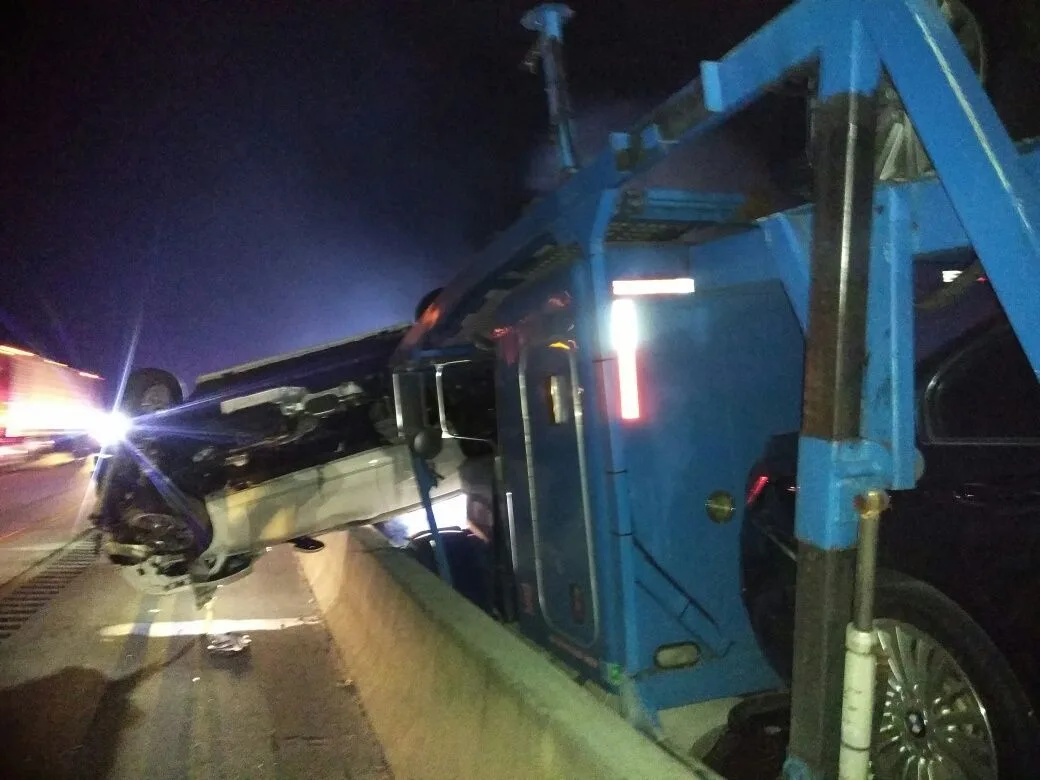
The quiet part comes after the noise
Everyone braces for the crash and nobody braces for the twenty minutes after it. The lights stop, the report gets taken, the other driver pulls away, and you are standing on a shoulder holding a phone with a vehicle that is not going anywhere under its own power. That is the moment the questions start, and they are ordinary practical questions that feel enormous because your hands are still unsteady. Twenty-eight years of Brevard County work says the people who come through this cleanly are the ones who knew the four decisions were coming.
Decision one: where the vehicle actually goes
This is yours to make, and it surprises people that it is a choice at all. A body shop you already trust, the dealership that has your service history, your own driveway, or a secure yard while you and the insurer work out what happens next. Any of those is a legitimate answer, and the operator will take it wherever you say.
What trips people up is being asked while they are still processing the last ten minutes. So think about it now, on a normal day, rather than then. If you have a shop you like, that is your answer and you can say it in three seconds. If you do not, the honest thing is to say you have not decided, because holding the vehicle somewhere secure until you have is a perfectly normal outcome and far better than naming a place you picked under pressure.
One practical note about the driveway option: it feels like the free choice and it is not always the easy one. A vehicle that will not roll or steer has to be placed rather than parked, and once it is sitting at your house it needs a second move later to reach whoever is fixing it. That is fine if you have decided to keep it there. It is worth thinking about if you have not.
Decision two: what comes out of the car right now
Belongings are the thing people remember an hour later, on the way home, when it is too late to be convenient. In the moment your attention is on the officer and the other driver, and the interior of your own vehicle stops existing. Then the flatbed pulls away with your work laptop under the passenger seat.
If it is safe to reach in, take four things first: phone, wallet, keys and any medication. Those are the ones that will actually derail your evening. After that, the ordinary list, which is longer than anybody guesses: garage remote, sunglasses, charger, the kid’s car seat, anything in the trunk you have not thought about in months, insurance and registration out of the glovebox. Paperwork belongs with you rather than with the car, because you will be asked for it later while the car is somewhere else.
If the scene is moving too fast to do any of that, say so out loud to the operator. Nobody will rush you into abandoning your own things, and if the situation genuinely does not allow it, it can be sorted once the vehicle is off the truck.
Decision three: what you say about the car before it is loaded
A damaged vehicle does not behave like a broken-down one, and a sentence from you at the start saves several later. Mention anything that changes how it should be handled. A low front end. Aftermarket bodywork. A wheel that will clearly not turn. Something valuable still inside that cannot be removed. A fuel smell. Any of those changes the approach, and an operator who hears it up front plans around it rather than discovering it halfway through.
You do not need to know anything mechanical, and nobody expects a damage assessment from somebody who was in the collision fifteen minutes ago. Describe what you can see. The rest is the operator’s problem from the moment he arrives, which is rather the point of handing one item on your list to somebody who does this professionally.
The other half of this is documentation, and it costs you nothing. Photograph the vehicle where it sits before it moves, from several angles, including whatever is on the ground around it. Get a shot of the scene itself if you can. Clean records travel with the vehicle from our end as well, so when an adjuster starts asking, the answers exist rather than needing to be reconstructed from memory weeks later.
Decision four: storage, and the clock nobody mentions
If the car is going to sit somewhere while a claim gets sorted, understand that storage is a running thing rather than a static one. A vehicle parked in a secure yard is accruing time. That is entirely reasonable and it is also worth knowing about on day one instead of day nine, because the single most common way this becomes an unpleasant surprise is somebody assuming the insurer had it handled and nobody actually making a decision for a week and a half.
So the practical advice is unglamorous. Call your insurer the same day if you can, tell them where the vehicle is, and ask directly what they want done with it and by when. If a shop is going to take it, find out whether they can receive it now or whether it needs to wait. Then move it once, deliberately, rather than letting it drift.
Whatever the arrangement, the number for the move is settled before anything happens. You get a straight, no-surprise price on your tow up front, tied to the vehicle and the distance, so the bill matches the conversation. A large share of the calls here come from repeat customers, and the second half of the job is why. People do not come back because the truck looked good on the shoulder. They come back because the part after the shoulder went the way it was supposed to.
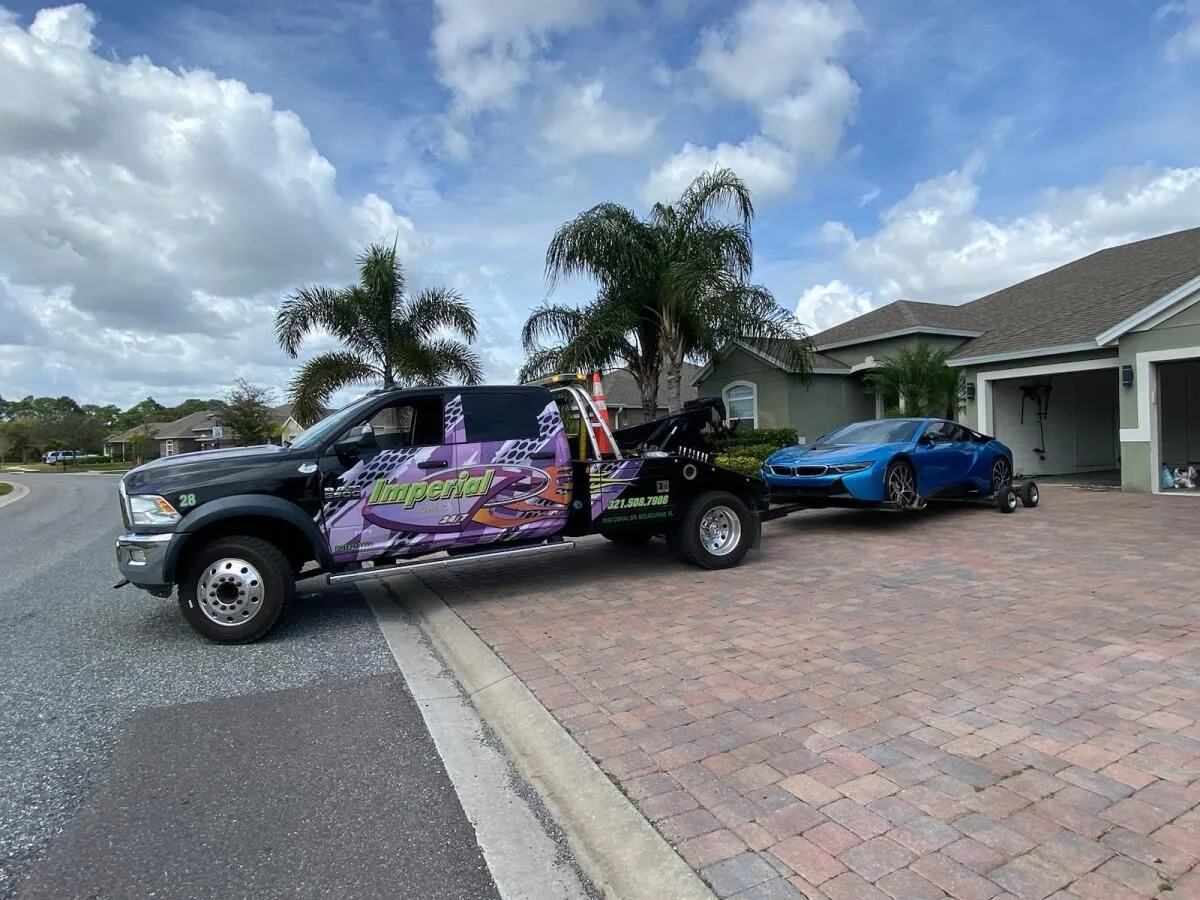
What the island adds to all of this
Cocoa Beach sits on a barrier island, and that shapes the timing rather than the decisions. Traffic has nowhere to spread out when a lane closes, so a scene that would be an inconvenience on a wide mainland road builds a backup here quickly. Which means the pressure to make your four decisions fast is real, and it is external, and it has nothing to do with what is best for you.
That pressure is the argument for having thought about it beforehand. Our operators run these roads every week and reach the island knowing the routes onto it, so being local shaves real minutes off the arrival end. What it cannot do is decide where your car should go. Only you can do that, and the calmer version of you, the one reading this on an ordinary day, is much better at it than the one standing on the shoulder.
Questions people ask afterward
Can I change my mind about where the car goes?
Usually yes, and the sooner you say so the simpler it is. Before the truck leaves the scene it is a sentence. Once the vehicle has been delivered somewhere, moving it again is a second job with its own arrangements. If you are undecided at the scene, say you are undecided rather than picking a destination you are not sure about.
What if my phone was in the car and I cannot reach anyone?
Tell the operator before he loads. Phones, wallets, keys and medication are the four things worth pausing for, and pulling them out takes moments while the vehicle is still on the ground. If the scene is moving too quickly, say something anyway and we will arrange for you to get to your belongings once the car is off the deck.
Do I have to be there when the car gets dropped off?
Not usually. Most shops and yards receive vehicles without the owner present, which is helpful when you are dealing with a ride home or a medical check. Tell the operator where it is going and who to speak to on arrival. What matters is that the destination is one you actually chose, and that you know where the car ended up.
Worth deciding before you need to
Pick your shop today. Know where your registration lives. Take the photos when the moment comes. Those three habits cost nothing and they remove most of the scramble. Just been in a wreck on the island? Get clear of traffic, then call (321) 499-4610, and see accident and collision towing in Cocoa Beach for how the scene end is handled. If the vehicle is blocking a lane, emergency towing moves first, and anything larger than a pickup runs through heavy-duty recovery. You can also send us the details.